Indian marble temple pillars
Indian marble temple pillars are from Jain temples in India. It is now located at the British Museum in London. Production and twelfth century.
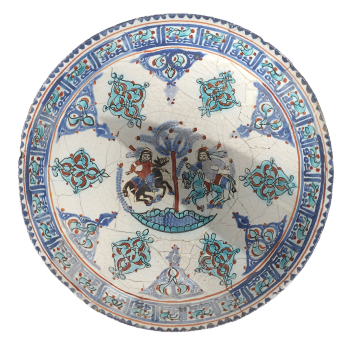
Mina'i porcelain bowl from Iran
The Iranian Mina'i porcelain bowl you mentioned was made between 1200-1299 AD and is now collected at the Minneapolis Museum of Art in the United States. The theme of this porcelain bowl is two people riding horses on either side of a tree, which often appears on Mina'i porcelain and may imply a hunting scene, a luxury enjoyed by the prince class. The material of this porcelain bowl is gypsum, with glazed painted decorations on top.

The bowl depicting the 'female cavalry'
The bowl depicting a female knight "is an Iranian artwork from the 12th to 13th centuries, currently housed in the Minneapolis Museum of Art in the United States. This artwork is a bowl depicting a lady riding a horse. Mina'i ware is a type of pottery from the Seljuk period in Iran (1038-1194). This period may be the most creative era in Persian pottery production. In addition to gold-plated vessels, minai vessels, and monochrome blue glaze, underglaze painted pottery was also produced. These bowls represent a popular variation of black design painted under transparent turquoise colored glaze.

The stone lintel of the Lord God Vishnu
The portrait of this stone lintel is based on Buddhist legend, depicting the monarch god Vishnu holding a stick, wheels, lotus flowers, and conch shells. Produced in the 12th century AD, it is currently housed in the Minneapolis Museum of Art. His two companions stood on either side: Lakshmi holding a lotus flower, and Saraswati holding a stringed instrument. Vishnu's vehicle, the winged Garuda, appeared behind him, with 10 incarnations of Vishnu carved on top.

Blue glazed Kashan kettle
The blue glazed Kashan kettle is a 12th century Iranian Kashan pottery, currently housed in the Minneapolis Museum of Art in the United States. This work is a type of kettle, featuring a full body, birds, plants, and low relief calligraphic patterns. It is one of the few similar deep blue glazed vessels in the late Seljuk period of the Kashan workshop. Kashan pottery is a type of pottery from the Seljuk period in Iran (1038-1194). This period may be the most creative era in Persian pottery production. In addition to gold-plated vessels, minai vessels, and monochrome blue glaze, underglaze painted pottery was also produced.
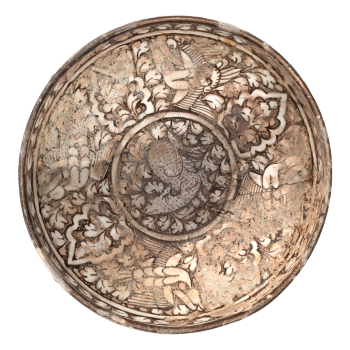
The bowl depicting the 'deer in the forest'
It is a 12th century pottery piece currently housed in the Minneapolis Museum of Art in the United States. This work is a bowl depicting the pattern of "deer in the forest". It is a part of Rayy Ware, a type of pottery from the Seljuk period in Iran (1038-1194). This period may be the most creative era in Persian pottery production. In addition to gold-plated vessels, minai vessels, and monochrome blue glaze, underglaze painted pottery was also produced. These bowls represent a popular variation of black design painted under transparent turquoise colored glaze.

Bowl with 'Willow Vine'
The blue glazed pottery bowl is a 12th century pottery item currently housed in the Minneapolis Museum of Art in the United States. This work is a bowl decorated with a "willow vine" pattern. It is a part of Rayy Ware, a type of pottery from the Seljuk period in Iran (1038-1194). This period may be the most creative era in Persian pottery production. In addition to gold-plated vessels, minai vessels, and monochrome blue glaze, underglaze painted pottery was also produced. These bowls represent a popular variation of black design painted under transparent turquoise colored glaze.
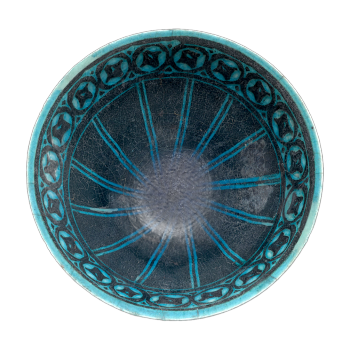
Green glazed pottery bowl
The blue glazed pottery bowl is a 12th century pottery item currently housed in the Minneapolis Museum of Art in the United States. This work is a bowl with a blue glaze. It is a part of Rayy Ware, a type of pottery from the Seljuk period in Iran (1038-1194). This period may be the most creative era in Persian pottery production. In addition to gold-plated vessels, minai vessels, and monochrome blue glaze, underglaze painted pottery was also produced. These bowls represent a popular variation of black design painted under transparent turquoise colored glaze.

Minneapolis Art Gallery Collection 12th Century Bronze Statue of Shiva Nataraja, India
The Hindu god Shiva appears in several incarnations. Here, Shiva appears as the king of the dance. He raised his left foot in an elegant dancing pose. In his upper right hand, Nataraja holds a drum, the sound of which embodies creation. The flame he held in his upper left hand symbolized destruction. Together they symbolize the creation and destruction of the universe. The gestures of the lower left and lower right palms of the icon indicate protection. The foot resting on the demon's back symbolizes the elimination of ignorance, while the raised left foot symbolizes salvation. A now-missing ring of fire, symbolizing the simultaneous and continuing creation and destruction of the universe, will surround the bronze icon.

Popular Models
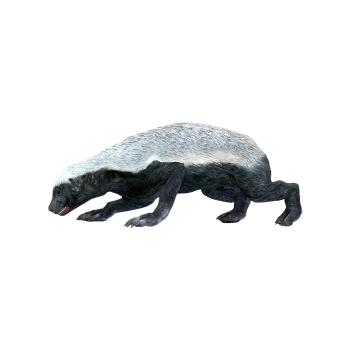
Honey Badger (3D animated model)
194 View
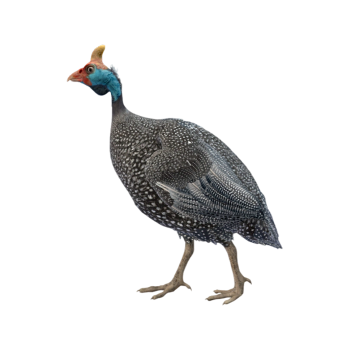
Guinea fowl (3D animated model)
165 View
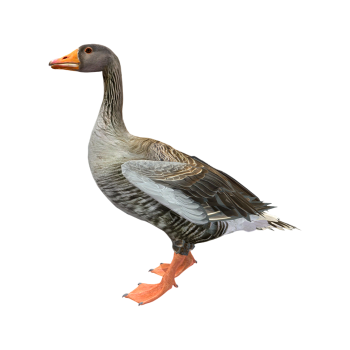
Wild Goose (3D animated model)
187 View
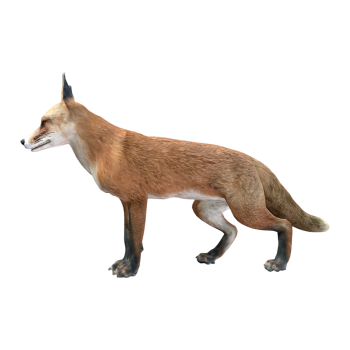
Red Fox (3D animated model)
155 View
Random Model

a pile of firewood
450 View


Lavolite with color effect
727 View

Nike Just Do It Sneakers
824 View

Manta Ray 3D Model Animation
1073 View

British Bacchus class light cruiser
657 View

Three-stone gold diamond ring
751 View